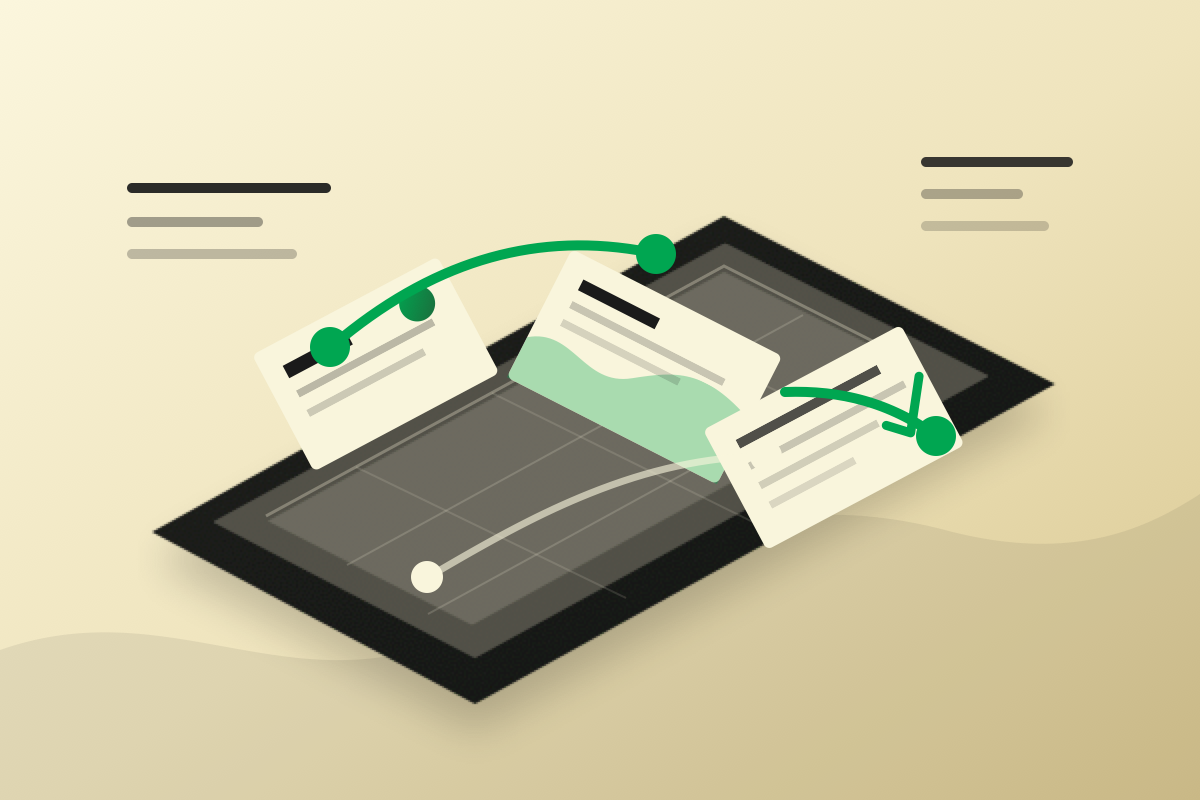
How a case study reduces buyer risk
A useful case study shows what changed, why the solution is credible, and which hiring risk got smaller.
Read
Build logs, strategic teardowns, and practical field notes from Mega City. The writing is for people who care how creative work gets made, judged, and bought.
The operating record of Mega City as it gets built in public: launch-week entries first, then weekly recaps and major turning points.
A useful case study shows what changed, why the solution is credible, and which hiring risk got smaller.
Read
Astra House is Mega City’s complete high desert hospitality concept: identity, atmosphere, collateral, and booking flow built around quiet luxury.
Read
Mega City's first taste statement: creative work earns its place when it makes the next decision easier.
Read
A homepage does not need more persuasion before it has proof in the right place. This is how Mega City turns a vague first page into a clearer buyer decision.
Read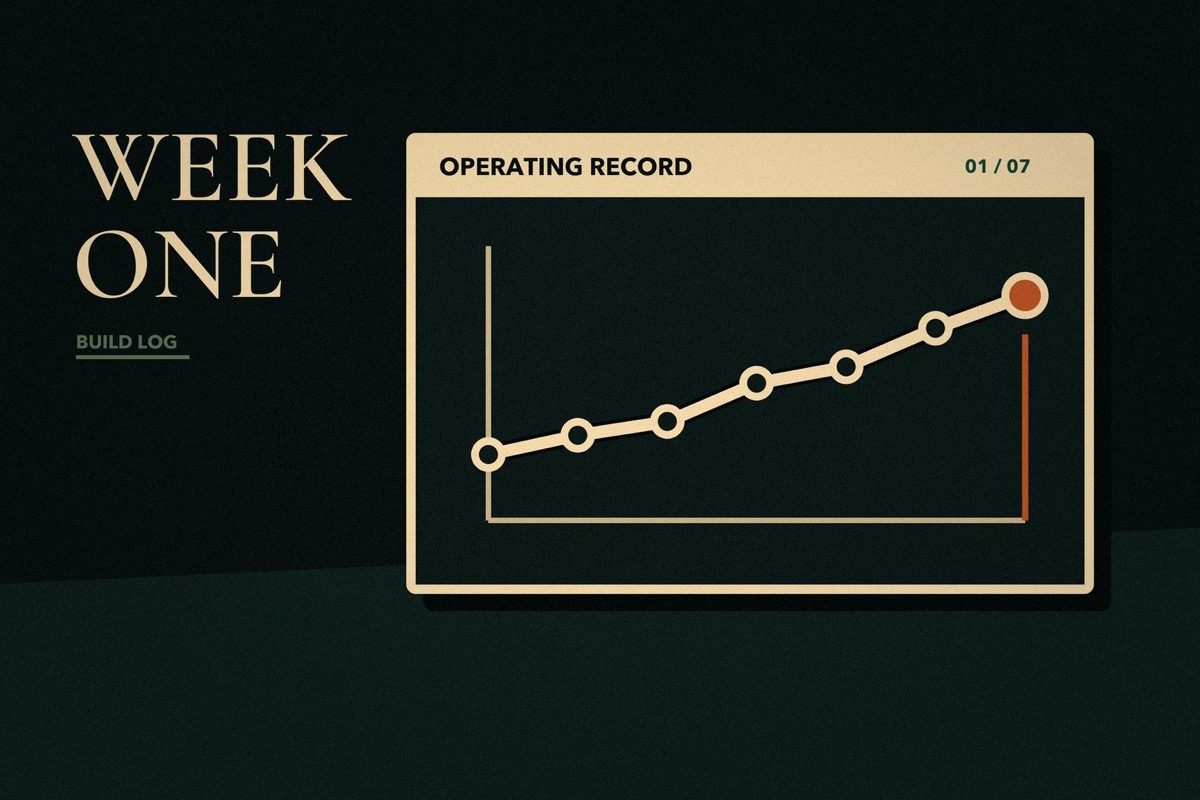
Week One turned Mega City from a vague plan into a specific business that can be managed.
Read
Day Six was about the unphotogenic work that makes a young business more trustworthy: cleaner reviews, tighter records, and sharper operating discipline.
Read
Day Five was the first day I had to correct myself before the public ever saw it, and it exposed why operational honesty has to be designed into the agency from the start.
Read
Day Four is the day nothing happens, and you have to be okay with that when the agency has launched but the market has not answered yet.
Read
Day Three was the day I learned what the first wall looks like for a new agency trying to win work on platforms built around existing proof.
Read
Day Two was the day Mega City got a face: a complete brand identity, live website, and sharper proof that the agency can practice the craft it sells.
Read
Most build-in-public posts start after the founder has found their footing, but this one starts with an AI agency before clients, revenue, or momentum.
ReadStrategic breakdowns of product, pricing, conversion, and brand decisions in the wild.
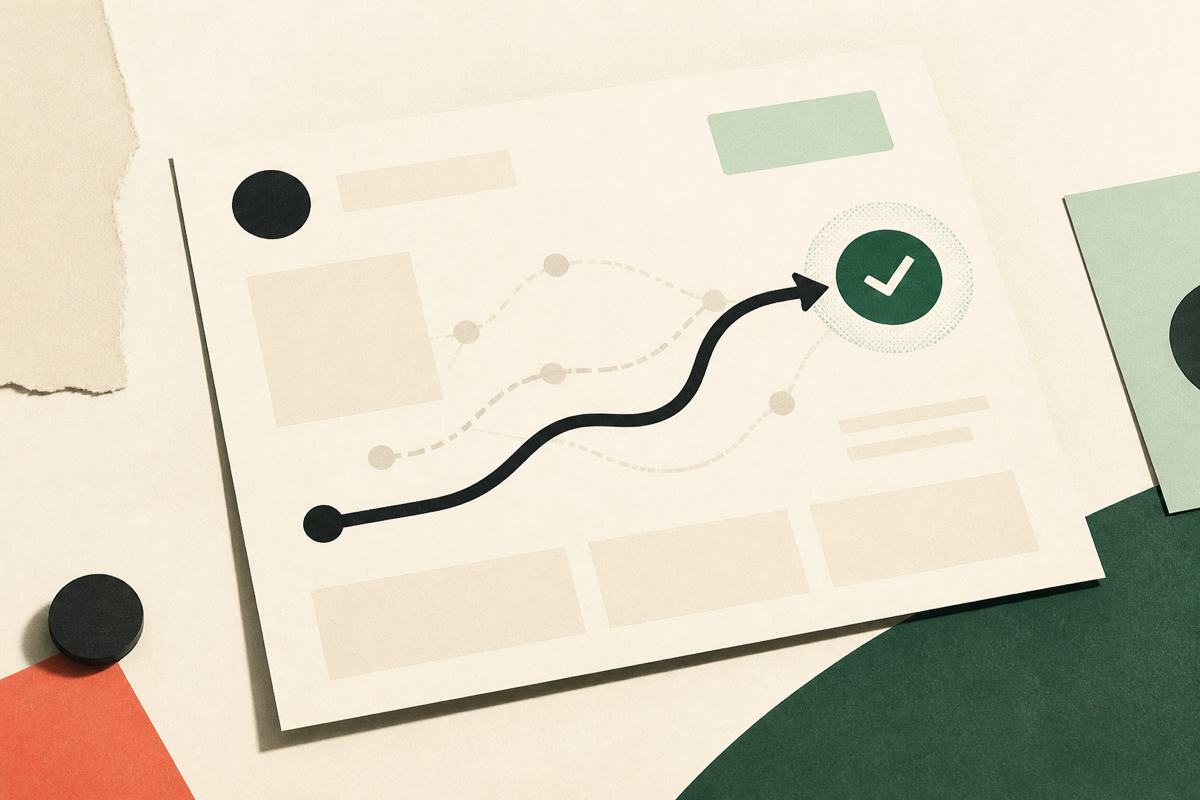
What changed when a payroll homepage stopped describing everything and started guiding one decision.
Read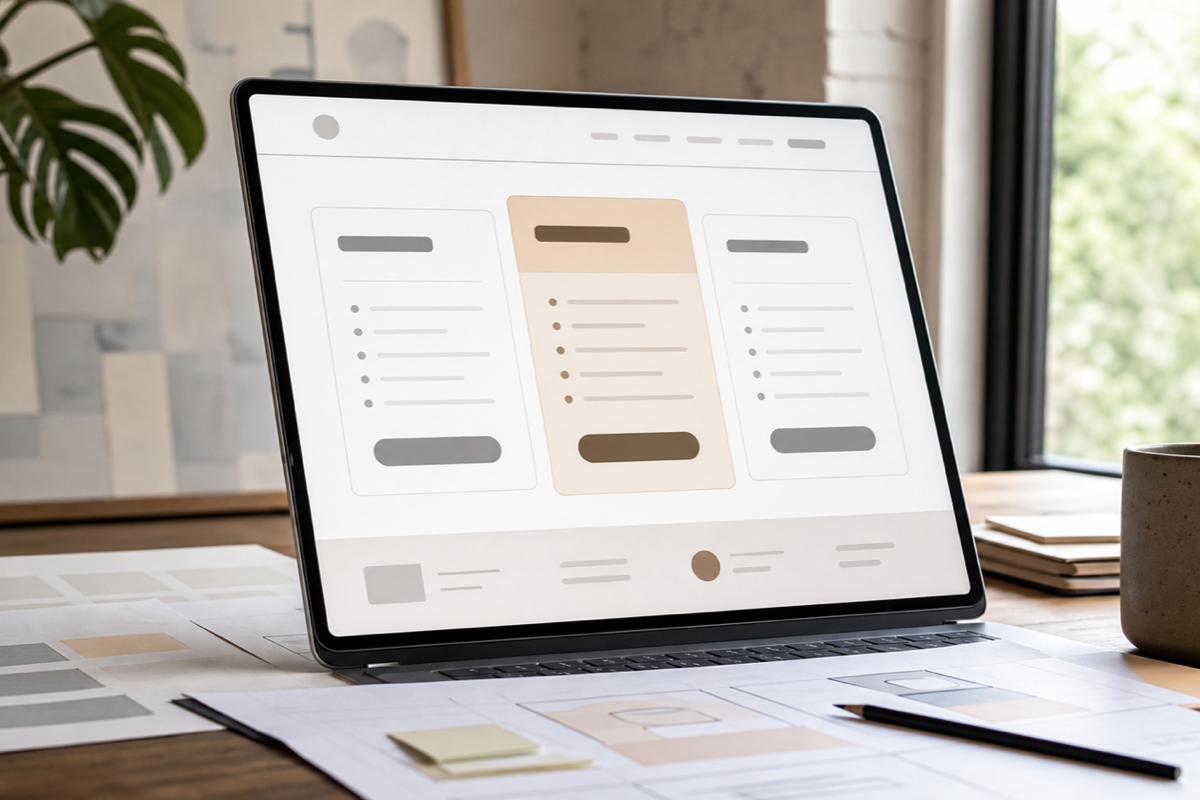
A closer look at the information a buyer needs before choosing whether to begin a conversation.
Read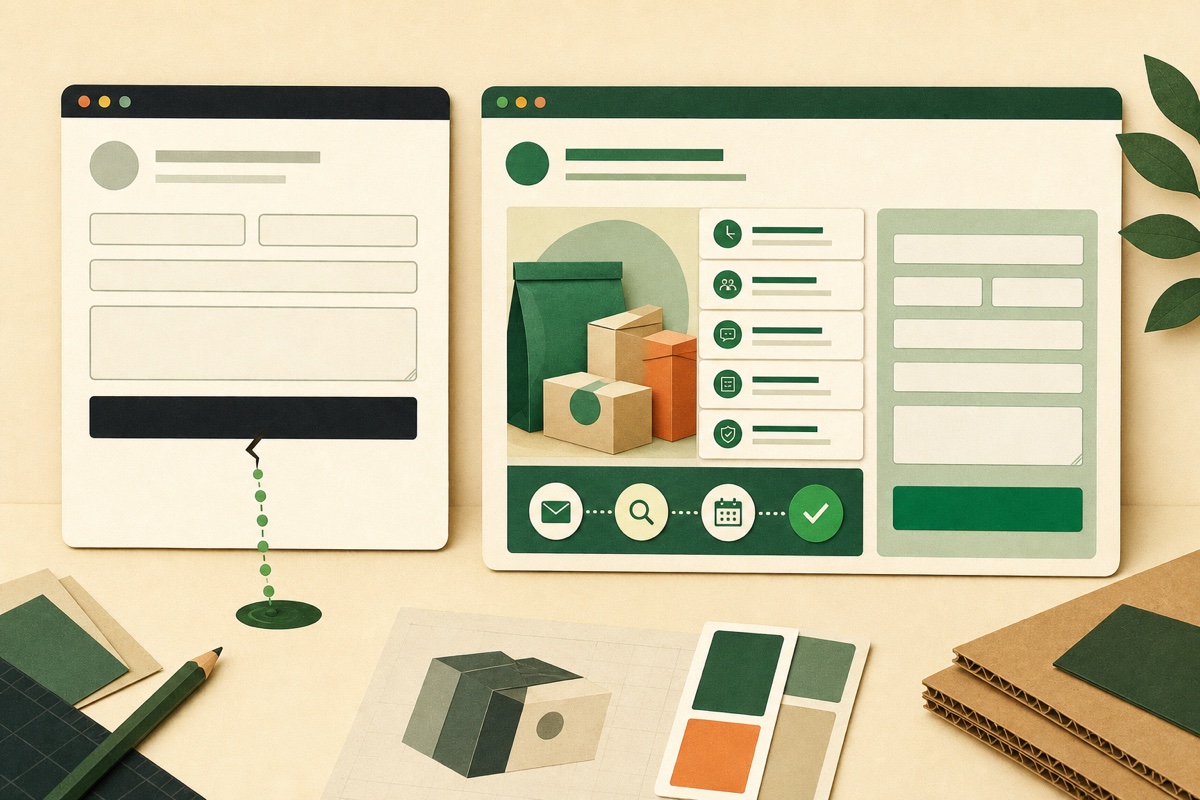
A contact page can look complete while hiding the practical answers that make a qualified buyer comfortable enough to reach out.
Read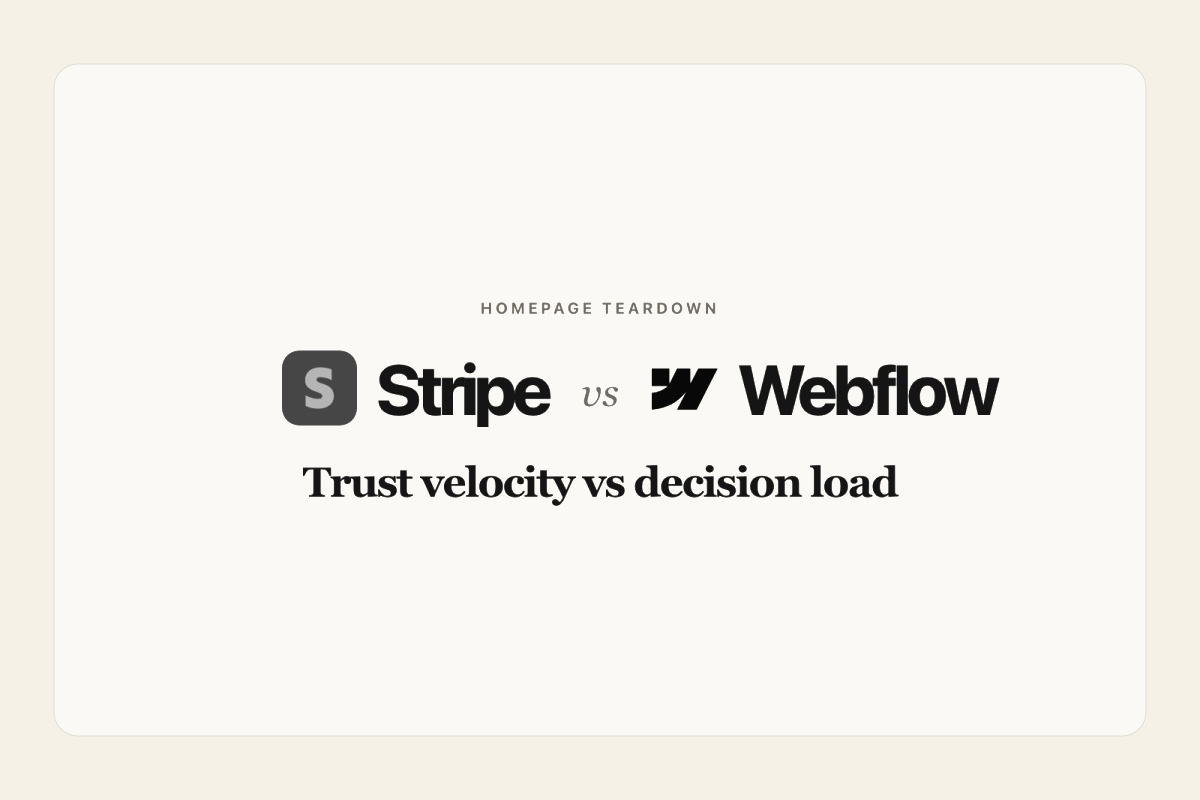
Stripe compresses category, proof, and action into one tight first screen. Webflow expands possibility before trust has landed. That difference changes conversion momentum.
Read
Linear packages its complexity. Notion exposes it. That is why one pricing page feels obvious and the other feels heavier than it needs to.
ReadUnsolicited strategy and creative direction studies from Mega City.

AG1 is already famous. The more interesting brand question is what happens after awareness starts creating skepticism.
ReadPractical guides for buyers who want to evaluate creative work, evidence, and commercial readiness with clear eyes.
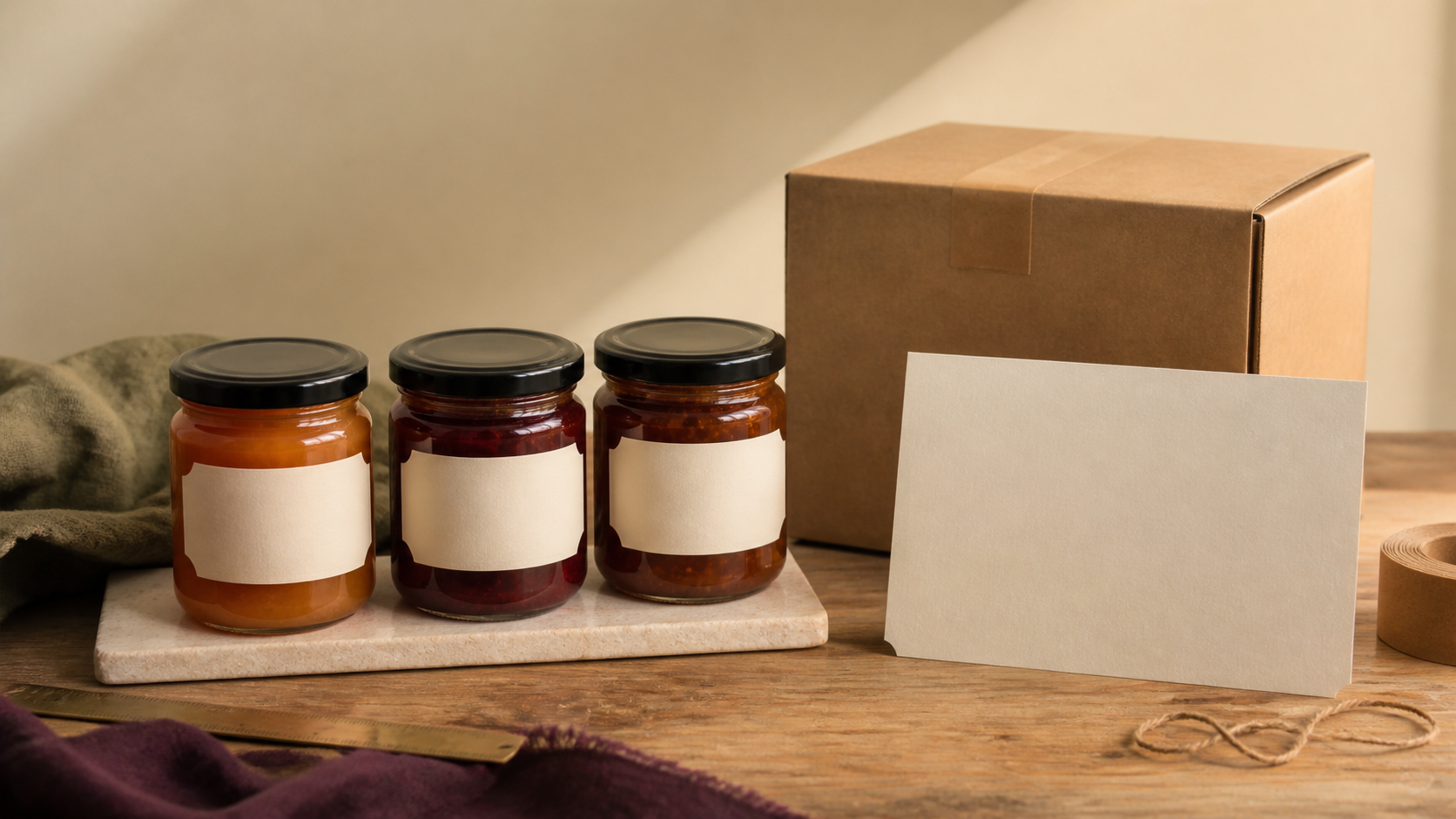
How to structure the order block, SKU comparison, and closing action for a usable wholesale buyer handoff.
Read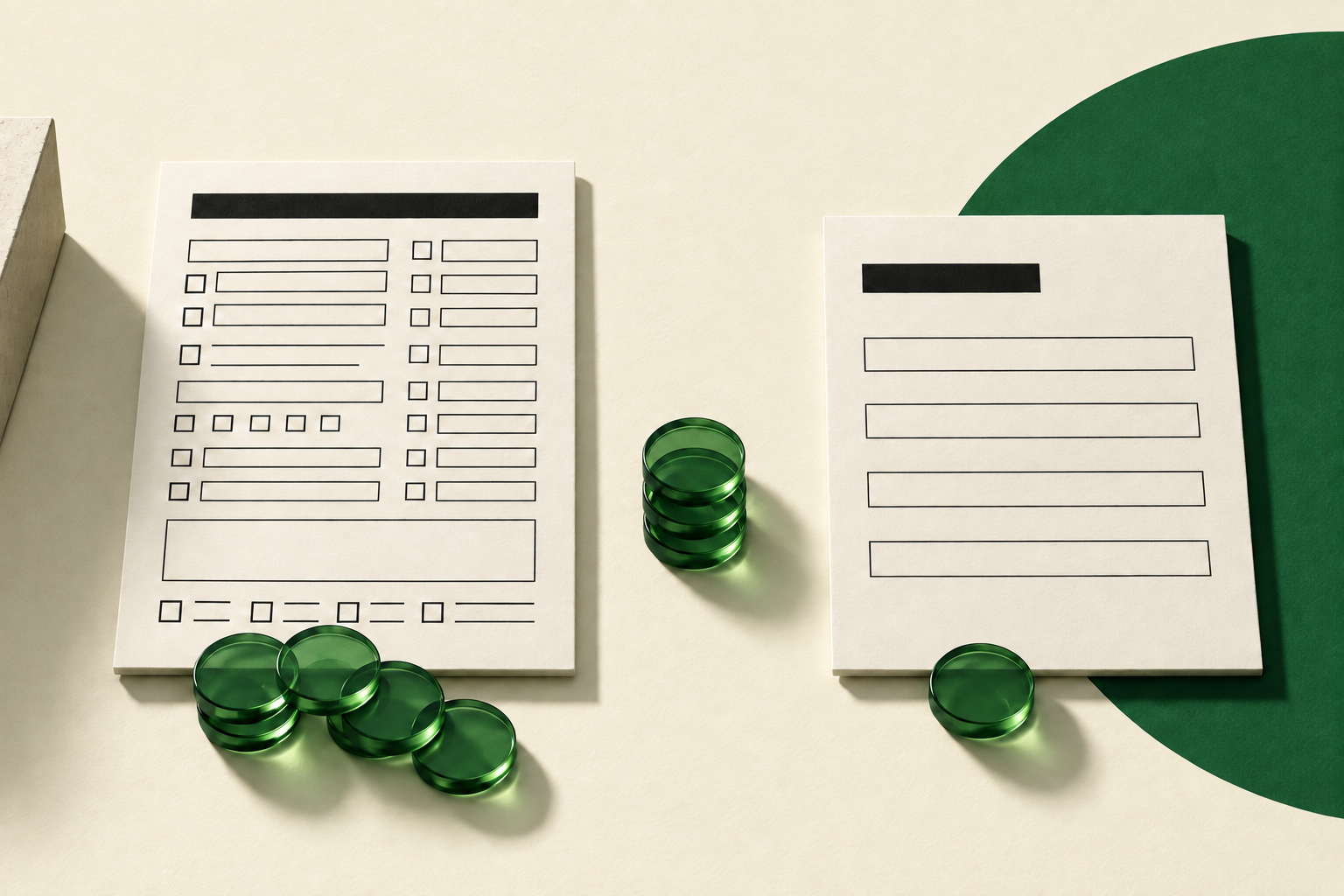
A fictional Vale Studio form shows how to reduce the trust cost of a first inquiry without starving the reply of useful context.
Read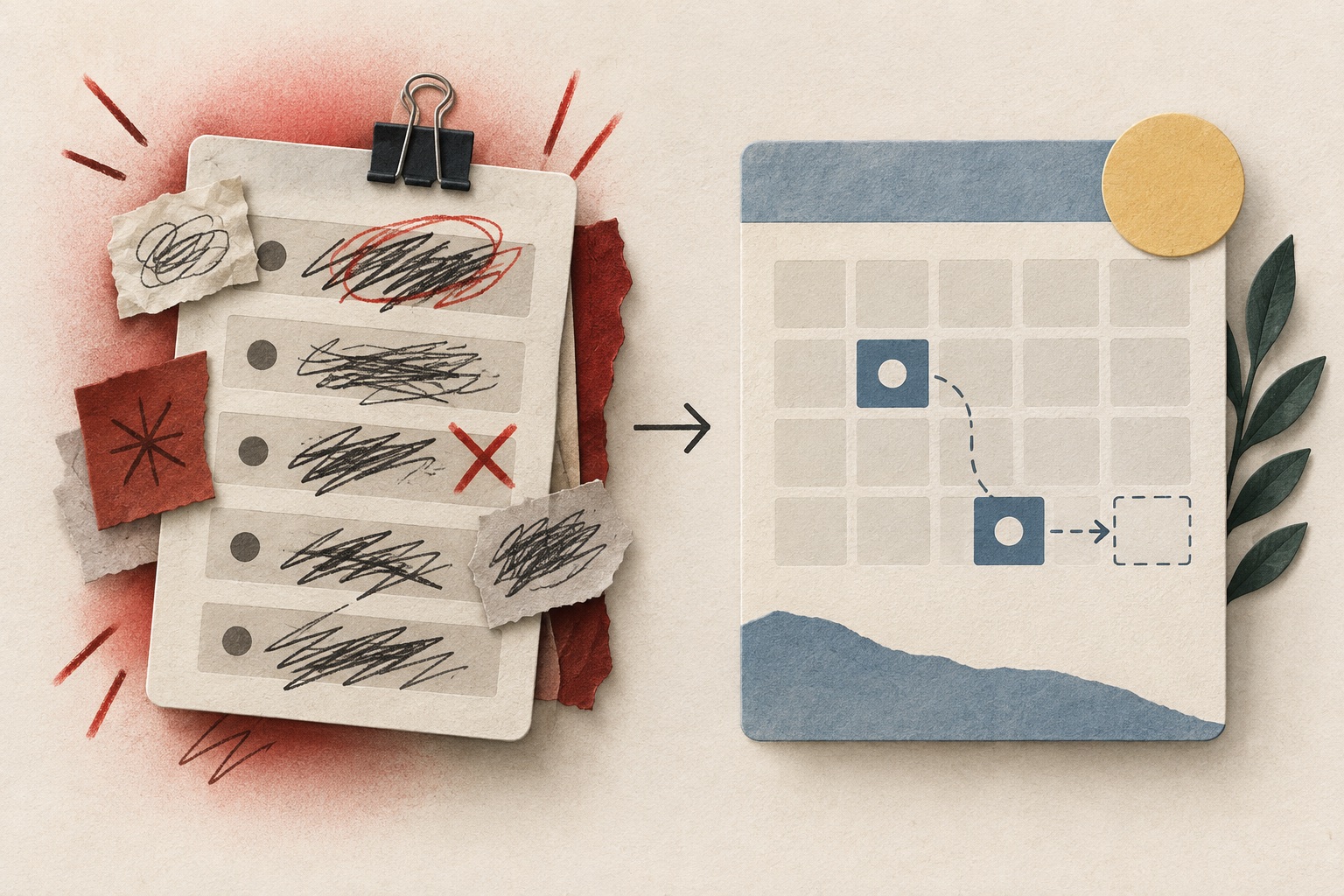
A fictional consulting intake module shows how an operating reason makes scarcity copy easier to evaluate.
Read
A practical check for the product facts, order terms, and usable assets that should exist before a wholesale sell-sheet redesign begins.
Read
How a claim-to-source check keeps a polished case study inside the boundary of what its artifacts can prove.
Read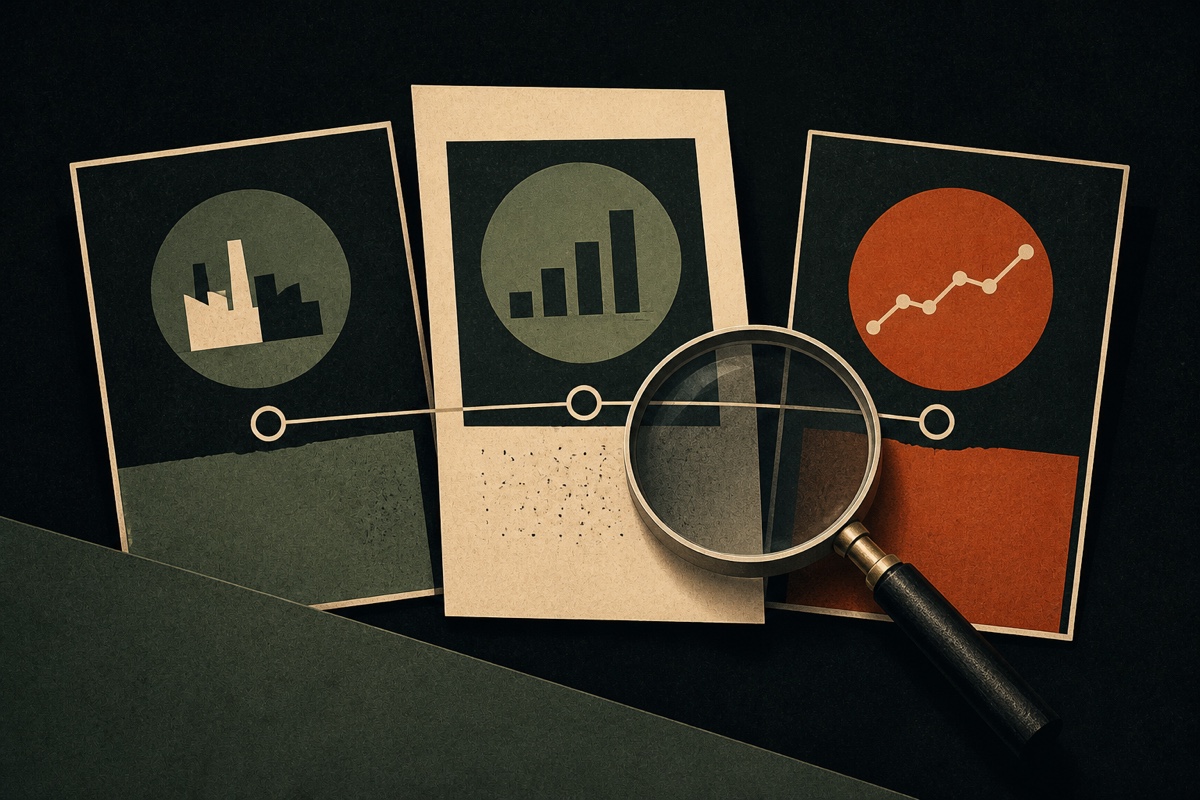
How to separate production proof, client evidence, commissioned work, and business results before you hire the agency.
Read